How to Plan a Group Motorcycle Ride: The Complete Checklist
TL;DR — A great group ride is 90% planning. Agree on a route and pace everyone's comfortable with, brief the group on formation and hand signals, stage your fuel and rest stops around the slowest tank, and use live tracking so nobody gets left behind. Here's the full checklist.
1. Plan the Route Around the Group, Not the Map
The most common group-ride mistake is planning a route that suits the fastest, most experienced rider. Instead, plan for the least experienced rider and the smallest fuel tank. Pick roads matched to the group's skill, keep daily distances realistic, and share the full route with everyone in advance so there are no surprises.
Build the route with clear waypoints: start point, fuel stops, lunch, photo stops, and the final destination. When everyone can see the plan beforehand, the ride runs itself.
2. Set the Riding Formation
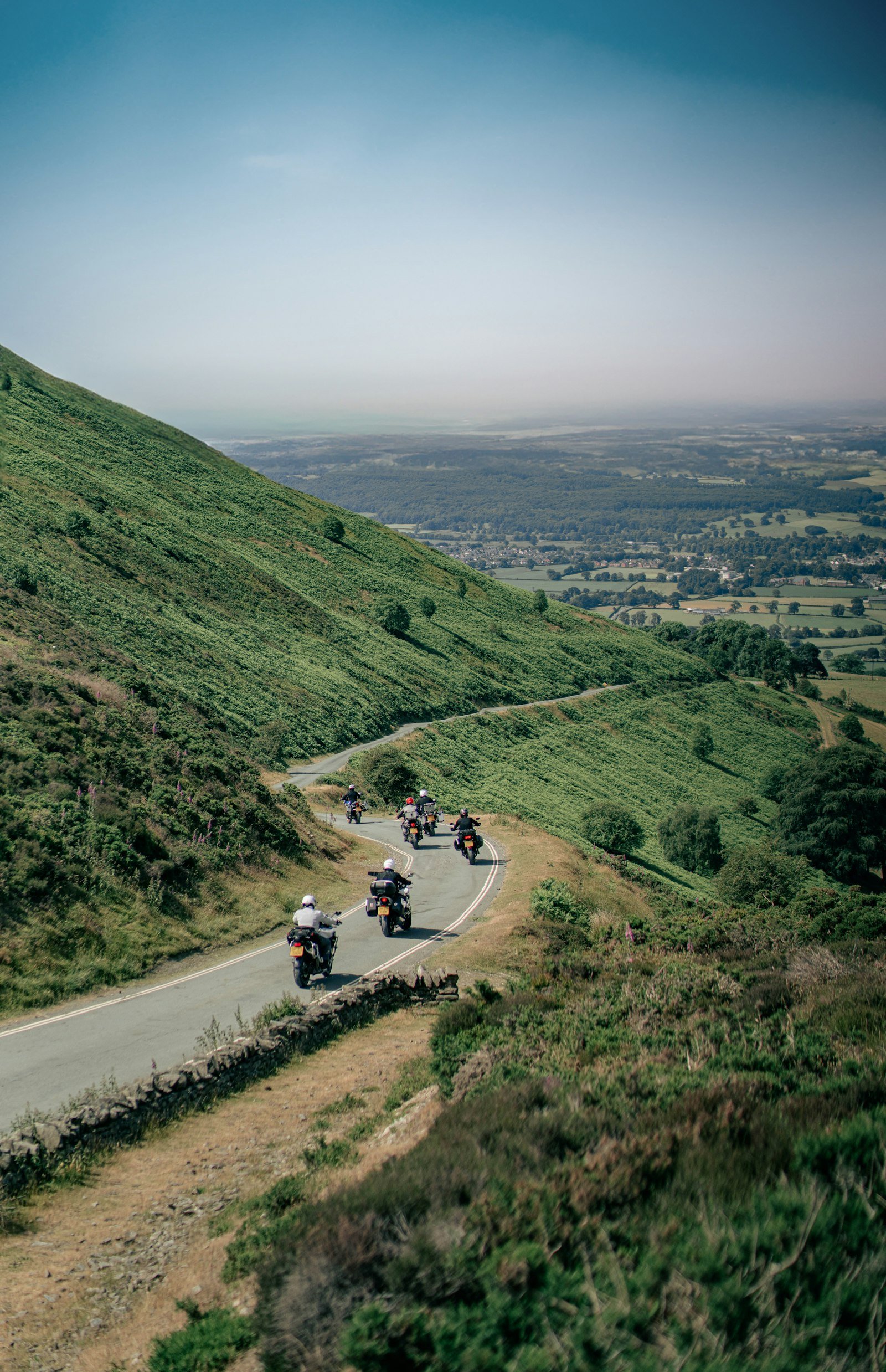
For open roads, the staggered formation is the standard: the lead rider takes the left third of the lane, the next rider the right third about one second behind, and so on. This gives each rider space to maneuver while keeping the group compact.
- Switch to single file for tight curves, narrow roads, and poor conditions.
- Never ride side by side in the same lane.
- Keep the group small — 5 to 7 bikes per sub-group. Split larger groups and have each ride as its own unit.
3. Assign a Lead and a Sweep
Every organized group ride needs two key roles:
- Lead (road captain): the most experienced rider who knows the route, sets the pace, and makes navigation decisions.
- Sweep (tail gunner): an experienced rider at the very back. Nobody rides behind the sweep. If someone stops, the sweep stops with them, so the group always knows the whole team is accounted for.
4. Brief Hand Signals Before You Leave
Not everyone will have an intercom, so agree on hand signals at the start. Cover at least: single file, staggered, hazard in road, slowing/stopping, turn signals, fuel/rest stop, and comfort stop. A two-minute briefing prevents most on-road confusion.
Pro tip: Agree on what happens if someone gets separated before you leave. The simplest rule: if you miss a turn, everyone continues to the next waypoint and regroups there — never stop in a dangerous spot to wait.
5. Stage Fuel and Rest Stops
Plan stops around the bike with the smallest fuel range — usually every 120–160 km / 75–100 miles. Build in rest stops every 1.5–2 hours; fatigue causes mistakes. Mark each fuel and rest stop as a waypoint on the shared route so everyone knows where the next break is.
6. Communication & Live Tracking
Even with a solid briefing, groups spread out — at lights, on curves, when someone stops for fuel. The old fix was stopping every 20 minutes to regroup, which kills the flow of the ride.
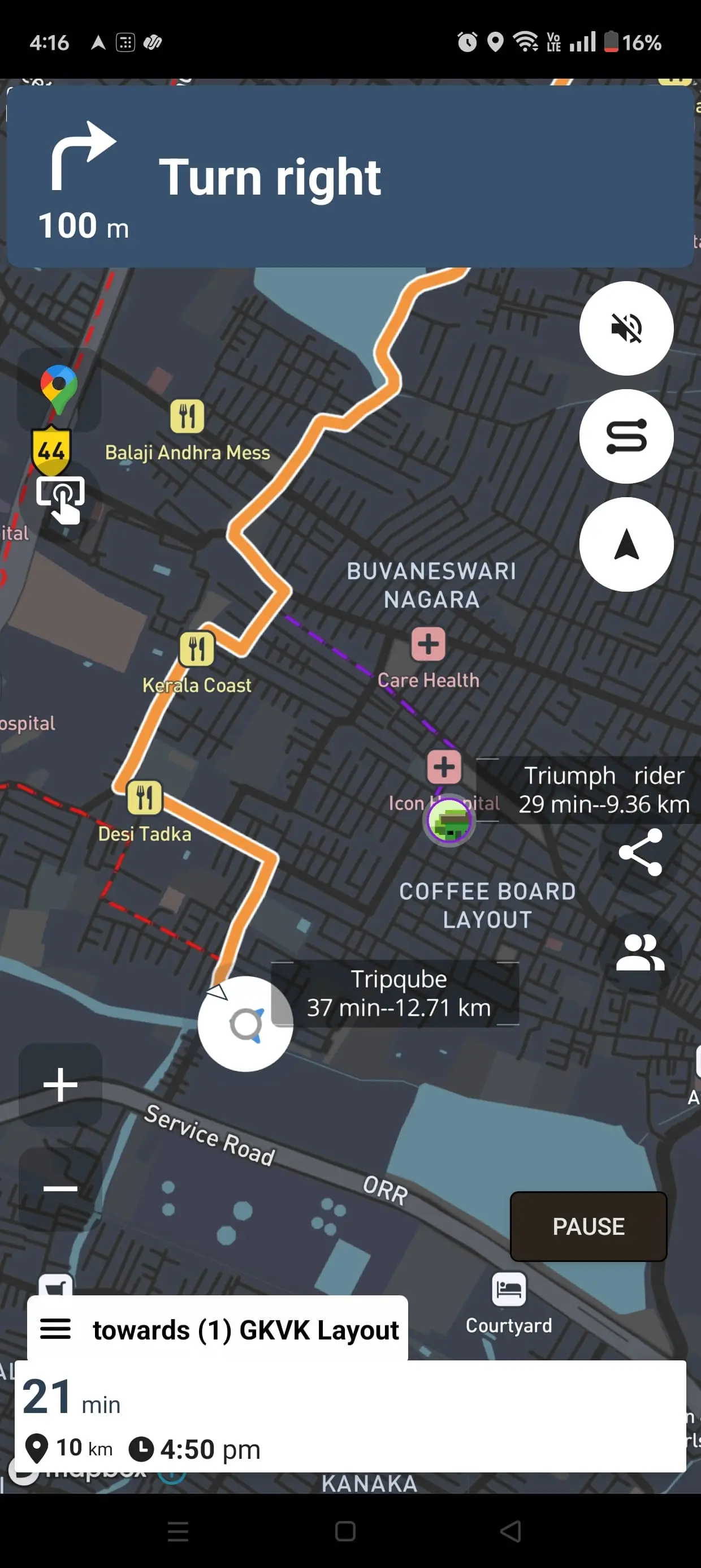
With TripQube, every rider sees the whole group on one live map in real time. If someone falls behind or takes a wrong turn, you know instantly instead of miles later. Share the planned route with the group ahead of time so everyone has the same waypoints, fuel stops, and destination loaded — and it keeps working offline in areas with no signal. For organizers, that means less time herding riders and more time actually riding.
7. Pre-Ride Checklist
- Share the route and itinerary with all riders in advance.
- Confirm everyone's bike is fueled and roadworthy before departure.
- Do a hand-signal and formation briefing at the meeting point.
- Confirm the lead and sweep, and the "what if we get separated" rule.
- Exchange phone numbers; make sure the group can be tracked live.
- Carry a basic first-aid kit and know the nearest hospitals along the route.
- Check the weather and any road closures.
Make Your Next Group Ride Effortless
Plan the route, share it with your crew, and keep everyone on one live map from start to finish. Spend less time regrouping and more time riding.